
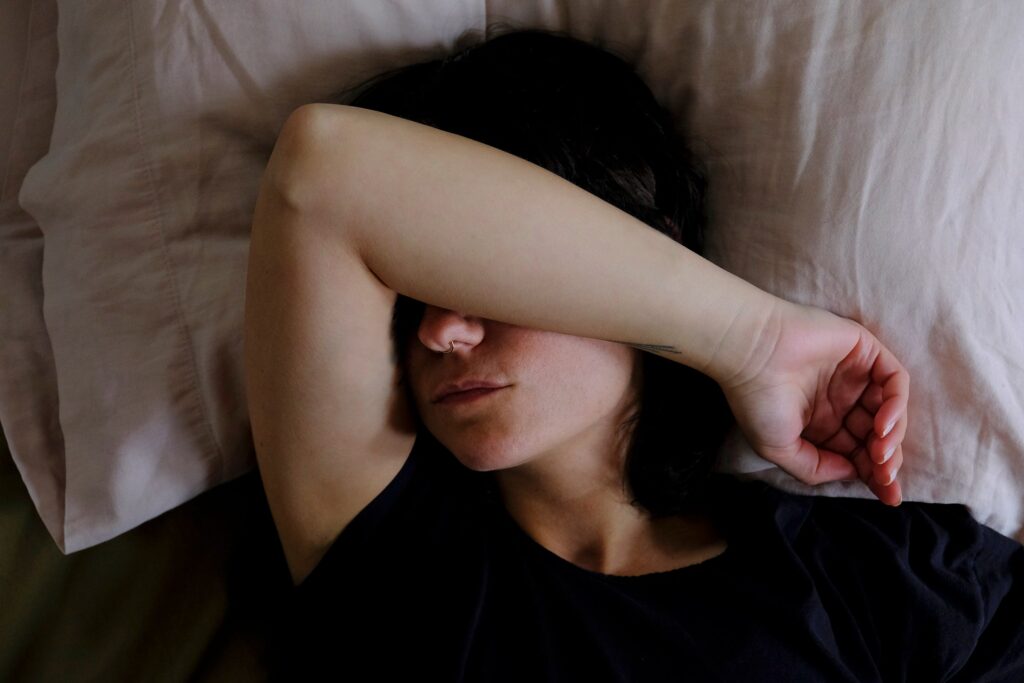
How to Fall Asleep Earlier: A Practical Step-by-Step Guide
Do you remember the last time you naturally fell asleep by 10:00 PM? For many of us, that feels like ancient history—perhaps something that only happened when we were kids.
Between late-night work emails, streaming binges, household chores, and the endless scroll on social media, going to bed early can feel almost impossible. You might tell yourself that you simply have too many things to do, or that you are just naturally a “night owl.” But if your alarm goes off at 6:00 AM or 7:00 AM every morning and you are consistently turning off the lights past midnight, you are operating on a severe sleep debt.
If you are looking for simple, realistic ways on how to fall asleep earlier without radically upending your entire life overnight, you are in the right place. Rest is not a luxury or a reward for finishing your to-do list; it is the fundamental foundation that rebuilds your body and mind.
Let’s break down why your sleep schedule shifted in the first place, and look at actionable, real-world steps you can take starting tonight to reclaim your evening rest.
Understanding Your Internal Clock: The Science of Sleep
Before changing your habits, it helps to understand why your body resists going to sleep early.
Your body runs on an internal 24-hour timer known as your circadian rhythm. Think of your circadian rhythm like an internal conductor in an orchestra: it signals to your brain when to release hormones for alertness in the morning and when to pump out sleep-promoting hormones like melatonin at night.
       LIGHT EXPOSURE (Sunlight / Morning Light)
                          │
                          ▼
             Melatonin Production Paused
              (High Energy & Alertness)
                          │
                          ▼
            DAYTIME ACTIVITIES & EXERCISE
              (Building Sleep Pressure)
                          │
                          ▼
       DARKNESS & WIND-DOWN (Evening / Night)
                          │
                          ▼
           Melatonin Released by Brain
           (Body Temp Drops, Drowsiness)
When you stay up late under bright artificial lights, your internal conductor gets confused. Your brain delays melatonin release, leaving you wide awake when you know you should be sleeping.
In addition, late-night anxiety can lead to insomnia—a temporary or chronic condition where falling or staying asleep becomes difficult despite having the time and opportunity to rest. Think of insomnia like a jammed brake pedal: your mind wants to slow down, but the stress system keeps revving the engine.
The good news? You can retrain this system.
Step-by-Step: How to Fall Asleep Earlier in 4 Phases
Shifting your bedtime by two or three hours overnight rarely works. Your body will likely fight the sudden shift, leaving you staring at the ceiling in frustration. Instead, follow this phase-based roadmap to gradually transition your sleep schedule.
PHASE 1: Morning Anchor
├── Fix your wake-up time (even on weekends)
└── Get 10–15 mins of direct morning sunlight

PHASE 2: Daytime Energy Management
├── Move evening workouts to finish before 8:00 PM / 20:00
└── Set a caffeine cutoff time (at least 8 hours before bed)

PHASE 3: The Evening Wind-Down
├── Transition to low, warm lighting 2 hours before bed
└── Disconnect screens 60 minutes before sleeping

PHASE 4: In-Bed Relaxation
├── Use guided nighttime meditation or breathwork
└── Apply the "20-Minute Reset" rule if unable to drift off
Phase 1: Set Your Morning Anchor
The secret to learning how to fall asleep earlier actually starts the moment you open your eyes in the morning.
- Pick a Non-Negotiable Wake-Up Time: Decide what time you need to wake up during the week and stick to it—even on weekends. If you wake up at 6:30 AM on Friday but sleep in until 10:00 AM on Saturday, you create a form of “social jetlag,” resetting your internal clock and making Sunday night miserable.
- Get Immediate Morning Light: Within 30 minutes of waking up, get natural sunlight in your eyes. Sunlight signals your brain to stop melatonin production and starts a timer for melatonin release 14 to 16 hours later.
Pro-Tip Across the Globe:
- In sunny regions (e.g., Australia or Southern USA): Step outside for 10 minutes while sipping your morning tea or coffee.
- In darker winter climates (e.g., the UK, Canada, or Northern Europe): Consider using a 10,000-lux light therapy lamp or a sunrise alarm clock to simulate natural morning light when dark outside.
Phase 2: Manage Daytime Energy and Workouts
If you exercise late in the evening, your heart rate, core body temperature, and adrenaline levels spike—all factors that prevent you from falling asleep faster.
- Finish High-Intensity Workouts Early: Aim to wrap up intense physical activity at least 3 hours before your target bedtime (ideally before 8:00 PM / 20:00).
- Shift Late Schedules: If late workouts are unavoidable due to work shifts, switch to low-intensity movement in the evening—like gentle yoga, light stretching, or walking—and save heavy weightlifting or intense cardio for mornings or lunch breaks.
- Watch the Evening Caffeine: Caffeine has a half-life of roughly 5 to 7 hours. A cup of coffee or an energy drink at 4:00 PM can leave half that caffeine active in your nervous system at 10:00 PM. Set a strict caffeine cutoff at least 8 hours before your target bedtime.
Phase 3: Create a Digital & Environmental Wind-Down
Your brain needs a clear buffer zone between the busyness of the day and the quiet of the night. You cannot expect your mind to sprint all day and instantly stop the moment your head hits the pillow.
- Lower the Lights: Around two hours before bed, dim bright overhead house lights. Switch to floor lamps with warm, amber-toned bulbs to signal dusk to your brain.
- Disconnect from Leisure Tech: The blue light emitted by smartphones, tablets, and computers suppresses melatonin production. Furthermore, doomscrolling social media or checking work messages keeps your brain in an alert, problem-solving state.
- Set a Tech Curfew: Put your phone on “Do Not Disturb” or keep it in another room 60 minutes before bed.
Phase 4: Master In-Bed Relaxation Techniques
If your mind races the moment you turn off the lights, structured relaxation techniques can bridge the gap between wakefulness and sleep.
- Try Nighttime Meditation: Guided meditation helps quiet mental chatter. Using an audio-only meditation track with deep breathing instructions can help lower your heart rate and shift your nervous system into a restful state.
- Practice the 4-7-8 Breathing Method:
- Inhale quietly through your nose for 4 seconds.
- Hold your breath for 7 seconds.
- Exhale completely through your mouth with a soft “whoosh” sound for 8 seconds.
- Repeat this cycle 4 times.
Real-World Case Studies: How Others Fixed Their Sleep Schedule
Case Study 1: Maya (The Late-Night Professional)
- Location: Toronto, Canada
- The Problem: Maya worked as a remote marketing manager. She routinely worked or scrolled on her laptop until 11:30 PM, struggled to sleep until 1:30 AM, and felt exhausted when her alarm rang at 7:00 AM.
- The Solution: Maya instituted a “Hard Shutdown” rule. At 9:00 PM, she shut down her work computer and moved her phone charger to the kitchen. She replaced screen time with reading a physical book under warm lamp lighting and began drinking chamomile tea.
- The Result: Within two weeks, Maya began feeling naturally sleepy by 10:30 PM and was able to fall asleep faster without midnight anxiety.
Case Study 2: David (The Late Gym-Goer)
- Location: London, United Kingdom
- The Problem: David finished work at 6:00 PM and went to the gym from 8:00 PM to 9:30 PM. By the time he showered, cooked dinner, and wound down, it was past 1:00 AM.
- The Solution: David shifted his intense gym routines to 7:00 AM three days a week and converted his evening sessions into 20-minute outdoor walks right after work.
- The Result: Dropping late-night adrenaline spikes allowed David’s core body temperature to cool down in the evening, enabling him to fall asleep consistently by 10:45 PM.
Common Pitfalls to Avoid
When trying to establish a fixed sleep schedule, it is easy to fall into habits that actually undermine your progress. Keep an eye out for these frequent mistakes:
- Trying to Change Too Quickly: Going from a 1:00 AM bedtime to a 10:00 PM bedtime in a single night rarely works. Instead, shift your schedule incrementally—go to bed 15 to 30 minutes earlier every two or three days.
- Staying in Bed While Frustrated: If you have been lying awake for more than 20 minutes, get out of bed. Staying in bed while feeling anxious conditions your brain to associate your bed with frustration rather than rest. Get up, sit in a dimly lit room, read a book or practice slow breathing, and return to bed only when your eyelids feel heavy.
- Relying on Alcohol to Fall Asleep: While a nightcap might make you feel drowsy, alcohol disrupts your sleep architecture—specifically suppressing deep sleep and REM sleep. You may nod off quickly, but you are far more likely to wake up in the middle of the night.
Your Quick Action Checklist
Print or save this simple daily checklist to keep your sleep goals on track:
- [ ] Morning: Wake up at your set target time and get 10–15 minutes of direct daylight within 30 minutes.
- [ ] Afternoon: Cut off all caffeine at least 8 hours before your planned bedtime.
- [ ] Early Evening: Wrap up high-intensity workouts and heavy meals at least 3 hours before bed.
- [ ] 1–2 Hours Before Bed: Dim bright overhead lights and switch to low, warm lighting.
- [ ] 1 Hour Before Bed: Turn off leisure screens (phones, tablets, TVs) and move chargers out of arm’s reach from the bed.
- [ ] At Bedtime: Keep the bedroom dark, quiet, and cool, and use breathing exercises or guided audio if your mind is racing.
Disclaimer: This article is for informational and educational purposes only and does not constitute medical advice. If you suffer from severe, chronic insomnia, daytime fatigue that interferes with safety, or suspect a medical sleep disorder, please consult a qualified healthcare professional or sleep specialist.